When Does a Fever Become Serious? Signs You Should Not Ignore
Fever is common, but sometimes it can be a warning sign of serious infection. Learn symptoms that require immediate medical attention.
Promedics Healthcare Team
General Medicine & Infection Care Support
Introduction
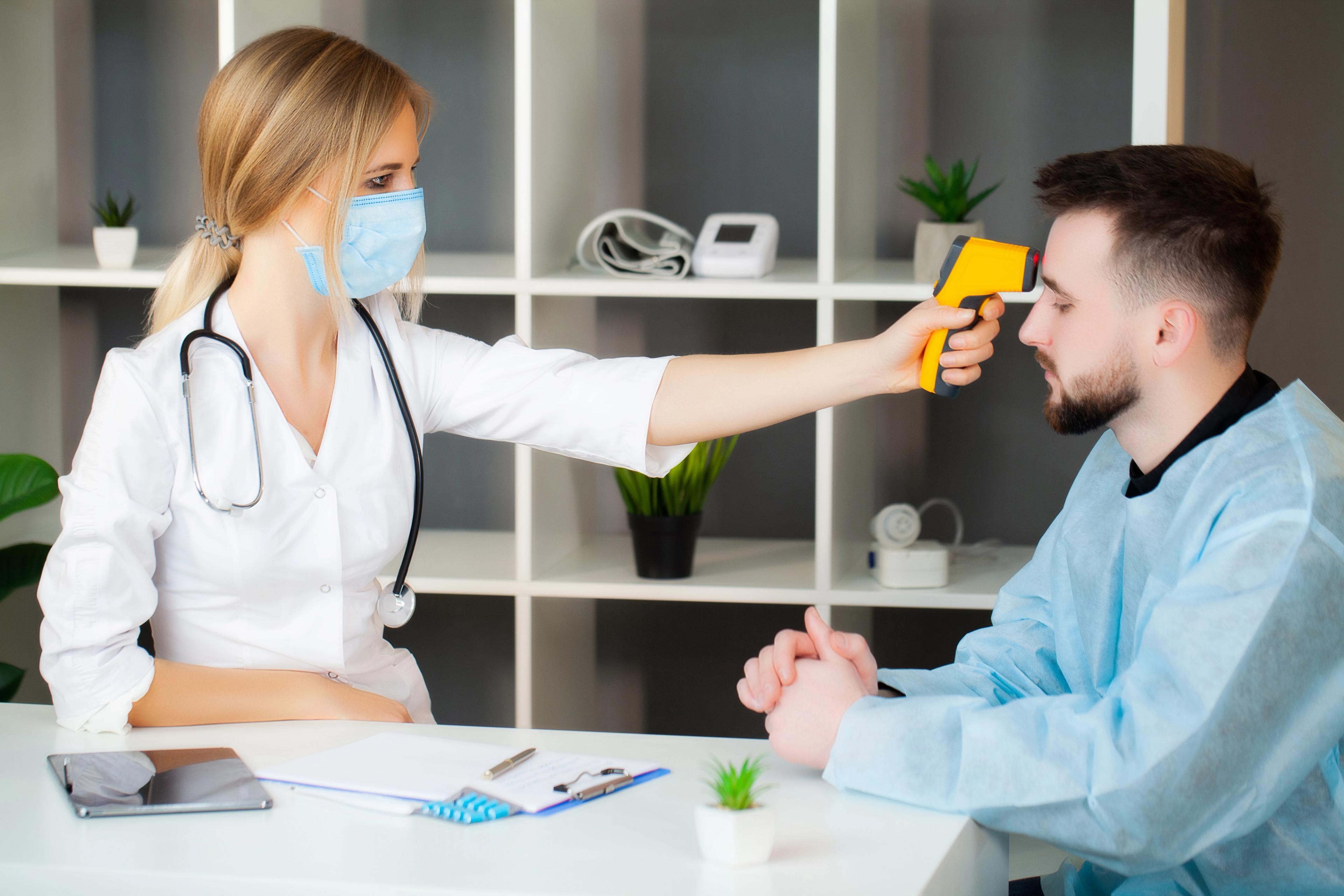
Fever is one of the most common health complaints. In many cases, it is caused by viral infections and improves within a few days.
However, fever can also indicate serious conditions such as dengue, typhoid, or bacterial infections.
Knowing when fever becomes serious is important for early treatment.
Common Causes of Fever
Fever may occur due to:
- viral infections
- bacterial infections
- dengue / malaria
- typhoid
- respiratory infections
- food poisoning
When Fever is Not Normal
You should consult a doctor if fever lasts:
- more than 2–3 days
- repeatedly comes back
- is very high (above 102°F / 39°C)
Warning Signs You Should Not Ignore
Seek medical support if you have:
- breathing difficulty
- chest pain
- severe weakness
- continuous vomiting
- severe headache
- skin rashes
- dehydration symptoms
- confusion or drowsiness
These signs may indicate a serious infection.
Why Early Diagnosis Matters
Ignoring fever can lead to complications such as:
- dehydration
- low platelet count (in dengue)
- severe infection spread
- hospitalization
At Promedics Clinics, we provide fever diagnosis and infection management support.
Conclusion
Fever is not always harmless. If symptoms are severe or fever lasts longer than expected, consult a doctor immediately.
📌 Visit Promedics Clinics for fever consultation and proper diagnosis.
